
Ever tried juggling NFTs, staking, and yield farming all at once? Yeah, me too. It’s like spinning plates—except these plates are digital and can vanish if you’re not careful. Managing NFTs on Solana has gotten way easier recently, but integrating hardware wallets? That’s a whole different beast. Seriously, the security perks are huge, but the setup can feel like decoding hieroglyphics if you’re fresh to the space.
So here’s the thing. I’ve been diving deep into how people secure their assets while still getting their hands dirty with DeFi protocols. My gut said, “Don’t trust software wallets alone,” especially when staking or yield farming involves locking up significant value. That’s why hardware wallets matter. But, hmm… they often don’t mesh well with the slick interfaces we love on Solana.
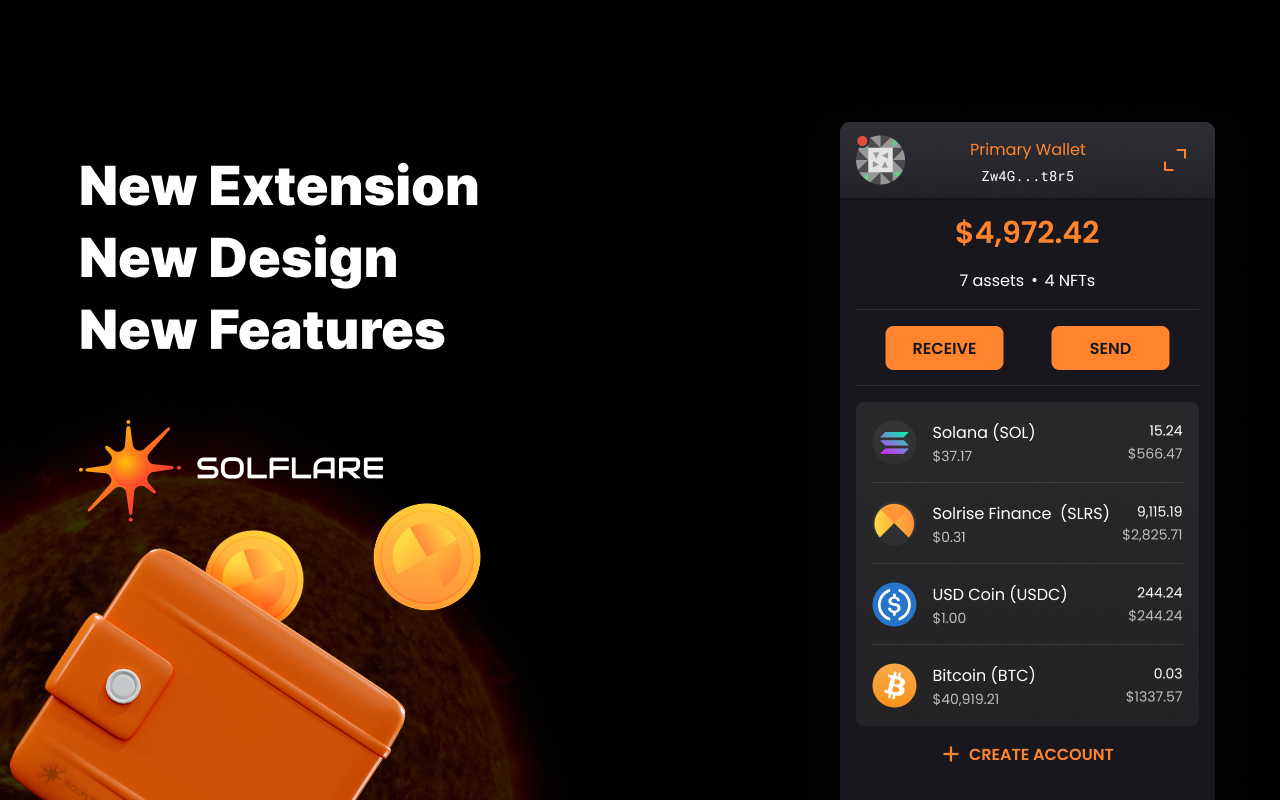
Initially, I thought using a hardware wallet would slow me down, but then I stumbled onto a pretty slick solution that changed the game: the solflare wallet. It’s an extension that bridges hardware wallets with Solana’s ecosystem without turning your workflow into a headache. I wasn’t expecting much, but it actually felt seamless. Okay, maybe not perfect, but close enough to keep me hooked.
Managing NFTs through this setup? Way less stressful. You get the best of both worlds: cold storage security and live interaction with your tokens. The tricky part—at least for me—was getting used to the confirmation prompts popping up every time I wanted to approve a transaction. It’s like your hardware wallet is insisting, “Hey, are you really sure about this?” Which, honestly, is reassuring.
Whoa! Here’s a little side note—yield farming on Solana can be a wild ride. The APYs look tempting, but the impermanent loss? It’s sneaky. I remember jumping headfirst into a pool that promised crazy returns only to see my stake’s value swing wildly overnight. That’s where hardware wallets and the solflare wallet combo helped me keep control and sanity. You’re always aware of your moves because every approval requires that physical tap on your device.
Why Hardware Wallets Matter in NFT and DeFi Management
Look, there’s a reason why folks in the crypto space stress over private keys like they’re gold bars. They basically are. If your wallet’s private keys are exposed, all your NFTs, tokens, and staked assets can disappear in seconds. Something felt off about relying solely on hot wallets when you’re dealing with assets worth real money.
That said, I get it. Convenience is king for many. Connecting a hardware wallet might seem like overkill at first—extra cables, devices, and confirmation steps that interrupt your flow. On one hand, it can feel like a hassle; on the other, it’s a necessary shield against phishing attacks or malware. Actually, wait—let me rephrase that…I don’t think it’s just necessary, it’s essential if you’re serious about long-term holding and interacting with DeFi protocols.
The solflare wallet extension facilitates this balance. It lets you connect Ledger or other hardware wallets directly, so you get that ironclad security without losing the intuitive Solana interface that’s become popular among NFT collectors and yield farmers alike. Plus, it supports staking, so you can lock your tokens securely while earning rewards.
Here’s what bugs me about some other wallets: they make you jump through hoops just to view your NFTs or stake tokens. The solflare wallet extension cuts through that noise. It’s responsive and feels native to Solana’s vibe. I’m biased, but it’s kind of like having a trusted old friend who also happens to be a security expert.
Really? You might ask if this setup is for everyone. Hmm… I’d say it’s mostly for those who juggle high-value assets or just plain care about the safety of their keys. If you’re dabbling with small amounts or testing waters, maybe a software wallet is fine. But once you start stacking NFTs or diving into yield farms worth hundreds or thousands of dollars, hardware wallets paired with the solflare wallet extension make a lot of sense.
Yield Farming on Solana: The Security Balancing Act
Yield farming has this wild allure. You stake your tokens, watch your APYs climb, and dream about passive income streams. Yet, the risk side—especially with new pools or protocols—is very real. I’ve seen devs release promising farms only to have them rug pulled or suffer critical bugs. That’s why the hardware wallet’s physical confirmation is a sanity check, preventing accidental approvals of shady contracts.
Okay, so check this out—using the solflare wallet extension means every farm interaction requires you to physically approve transactions on your hardware device. It’s a tiny pause that forces you to think twice. Yeah, it slows down fast trades or flash swaps, but it’s a trade-off I’m happy with. Because, honestly, one careless click in DeFi can cost you big.
Here’s a fun twist: some yield farms now offer NFT rewards alongside token yields. That layering complicates things but also adds a new dimension to managing your holdings. The solflare wallet’s NFT management features let you see your farming rewards and collectibles side by side, which is pretty neat. But I’m not gonna lie—sometimes the UX could be smoother, especially when shifting between staking and NFT tabs.
On one hand, DeFi protocols are innovating fast. On the other, wallet infrastructure tends to lag behind, especially when integrating hardware wallets. The solflare wallet extension is bridging that gap, but there’s room to grow. For example, batch transaction approvals or better notifications would save time and reduce confusion—especially for power users juggling multiple farms.
So yeah, it’s a bit of a balancing act. But for anyone serious about managing NFTs and yield farming on Solana, combining hardware wallets with something like the solflare wallet extension is becoming a no-brainer.
Final Thoughts: Where Do We Go From Here?
I’m not 100% sure where wallet tech will head next, but it feels like the solflare wallet’s hardware integration is a solid step forward. It’s not perfect, and I still get frustrated with some confirmation delays or the occasional UI hiccup. Yet, the peace of mind it offers when handling NFTs and yield farming is invaluable.
Oh, and by the way, for those experimenting with staking or farming, don’t overlook the basics: backup your seed phrases, double-check contract addresses, and keep your hardware device firmware up to date. These little things can save you from a major headache.
In a way, managing crypto assets on Solana today is like learning to drive in rush hour traffic. The tools are getting better, but you still gotta keep your eyes wide open and hands steady. Yeah, it’s a bit nerve-wracking, but also kinda thrilling.
So, if you’re ready to level up your NFT and DeFi security game, give the solflare wallet extension a shot. It might just be the sidekick you need on this crazy Solana journey.