
So, I was poking around my Solana wallet the other day, and wow—the whole landscape of SPL tokens and NFTs is crazier than I thought. Seriously? One moment, you’re just holding a few tokens, and then bam, you’re knee-deep in DeFi protocols that promise the moon but sometimes barely deliver. My instinct said this space needs a wallet that’s not just secure but also genuinely user-friendly. And that’s where Solflare comes into play.
At first, I figured any wallet would do the trick. But nah, something felt off about the ones I tried before. Too clunky, or worse, exposing me to unnecessary risks. Okay, so check this out—Solflare handles SPL tokens like a champ, making it easy to manage, stake, and even interact with DeFi apps without feeling like you need a PhD in blockchain. I’m biased, but having a smooth interface that doesn’t constantly throw cryptic errors at you is very very important. (Oh, and by the way, if you haven’t gotten it yet, the solflare download is straightforward and quick.)
Here’s the thing. SPL tokens are the backbone of Solana’s ecosystem—they’re basically the Solana-version of Ethereum’s ERC-20 tokens. Managing them can get tricky if your wallet isn’t optimized. Initially, I thought all wallets handled SPL tokens similarly, but the deeper I dug, the clearer it became that Solflare’s integration is on another level. The wallet’s native support for token management reduces the friction that other wallets often introduce, especially when dealing with staking or DeFi participation.
Really? Yep. And NFTs? That’s a whole other beast. NFTs on Solana have exploded in popularity, and managing them can sometimes feel like juggling flaming swords. Solflare’s NFT management tools are slick—allowing you to view your collection, send, or even stake NFTs in certain DeFi protocols. I’m not 100% sure how they pull it off with such speed, but the UX is surprisingly seamless.
Now, DeFi protocols on Solana tend to be innovative but sometimes a bit risky. My first impression was skepticism—can I trust these platforms with my assets? Actually, wait—let me rephrase that… it’s not just about trust, but also about control and convenience. Solflare has this neat feature set that lets you interact with DeFi protocols directly from the wallet interface, without hopping between apps or exposing your private keys unnecessarily. It’s like having a DeFi command center in your pocket.
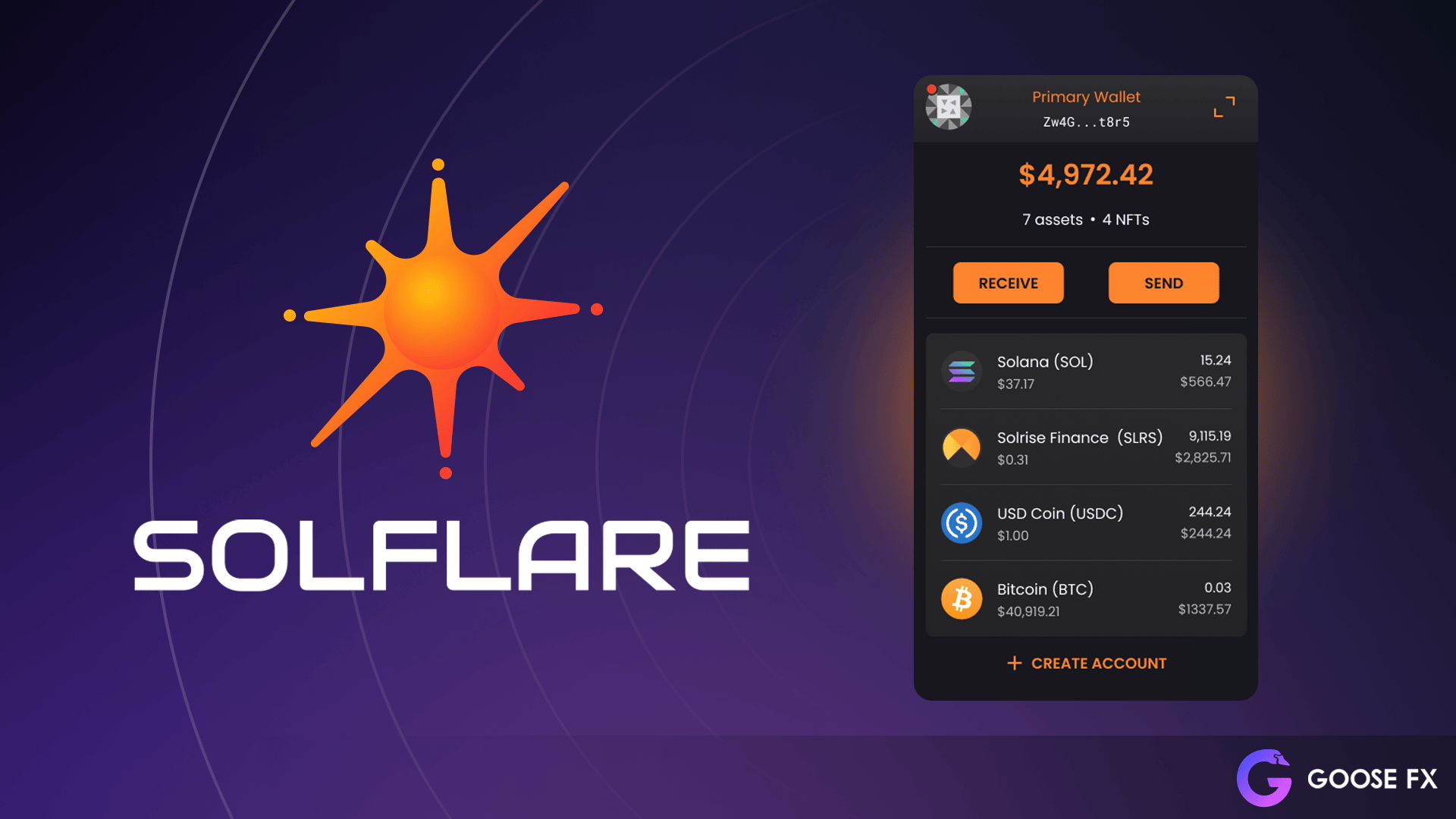
Why Solflare Stands Out in SPL Token and DeFi Management
Okay, so here’s what bugs me about many wallets: they treat NFTs like an afterthought. But for many users in the Solana ecosystem, NFTs aren’t just collectibles—they’re assets tied to staking, rewards, and more. Solflare understands this nuance. The wallet’s design reflects a deep understanding of how these digital assets function in real DeFi scenarios.
On one hand, you have wallets that prioritize security but offer a bland, confusing experience. On the other, flashy UIs that sacrifice security. Solflare strikes a rare balance, though actually, it’s not flawless. Sometimes the wallet’s connection to certain DeFi protocols can lag or require manual refreshes. But hey, that’s the wild west of crypto for you.
What really impressed me was the staking experience. Staking SPL tokens directly from the wallet is intuitive, and the wallet even tracks your rewards over time. This kind of transparency is rare. Plus, the wallet supports multiple DeFi protocols natively, so you don’t have to worry about complicated multi-step transactions just to swap or stake.
Hmm… I remember thinking that the wallet might be overcomplicated with its features, but nope. The learning curve is gentle, and if you’re someone who’s used to DeFi but not a developer, Solflare feels like it was made for you. It’s *very* US-centric in its usability—straightforward, no nonsense, but with enough depth to satisfy power users.
For those wondering about the safety aspect: Solflare is a non-custodial wallet, meaning you hold your private keys. This is huge. Many wallets out there offer convenience at the cost of control. With Solflare, you’re truly in the driver’s seat, which, in my book, is the only way to roll in crypto.
Some Tangents and What I’m Still Figuring Out
Alright, so I got pretty deep into DeFi protocols through Solflare, but I’m still unsure about how some of the newer yield farming options perform long-term. The APYs look tempting, but, honestly, they can change overnight. My gut says always keep some funds in cold storage and not everything in these active DeFi games. (I know, duh, but sometimes the hype makes you forget.)
Also, I’ve noticed the wallet occasionally has minor UI hiccups during peak network times, but nothing that breaks the experience. I expect these will get ironed out with updates. Meanwhile, the community support around Solflare is pretty solid, with lots of walkthroughs and tips floating around Reddit and Discord. That social proof helped me trust the wallet early on.
So, if you’re part of the Solana ecosystem and juggling SPL tokens, NFTs, and DeFi protocols, the wallet you pick matters way more than you might realize. The difference between a frustrating experience and a smooth one can mean the difference between holding your assets safe or risking them on a dumb mistake.
In case you want to dive in yourself, the solflare download is probably your best first stop. It’s quick, painless, and gets you set up with access to this dynamic ecosystem faster than most.
FAQs about Solflare and the Solana Ecosystem
Can I stake SPL tokens directly through Solflare?
Absolutely. Solflare supports staking for many popular SPL tokens, letting you earn rewards without leaving the wallet interface.
Does Solflare support NFT management?
Yes, you can view, send, and sometimes stake your Solana NFTs right from within Solflare, making it a versatile tool for collectors and DeFi users alike.
Is Solflare secure for DeFi interactions?
Being non-custodial, Solflare keeps your private keys local, enhancing security. However, always practice caution with unfamiliar DeFi protocols and double-check transaction details.